Creative writing encompasses far more territory than most people realize. While many associate it solely with novels and poetry, the discipline includes screenwriting, journalism, advertising copy, and even technical documentation that tells compelling stories. Understanding the distinct styles helps writers choose the right approach for their message and audience.
The confusion between style and genre causes many aspiring writers to struggle unnecessarily. Genre defines what you write about. Style determines how you write it. Mastering different creative writing styles gives you versatility that single-approach writers lack. Simple tools like online notepads make experimenting with various styles accessible without technical barriers.
What You’ll Learn
This guide breaks down the major creative writing styles used across professional writing. You’ll discover how narrative, descriptive, expository, and persuasive styles differ in purpose and execution. Each section includes practical examples showing when to use specific approaches. Understanding these distinctions helps you choose the right style for your project rather than forcing one approach onto every writing situation. Whether drafting fiction, marketing copy, or educational content, knowing which style serves your purpose best improves your effectiveness immediately.
What Makes Narrative Writing Distinctive
Narrative writing tells stories through structured sequences of events. This style uses plot, characters, conflict, and resolution to engage readers emotionally. Fiction novels, memoirs, screenplays, and personal essays all employ narrative techniques to create compelling experiences.
The key elements include character development, dialogue, pacing, and point of view. First-person narratives create intimacy through direct character voice. Third-person perspectives offer broader scope and multiple viewpoints. Effective narrative writing balances showing versus telling, allowing readers to experience events rather than merely learning about them. Using an online notepad for initial story drafts removes formatting distractions and lets the narrative flow naturally.
How Descriptive Writing Creates Immersion
Descriptive writing paints vivid mental pictures through sensory details and precise language. This style focuses on creating atmosphere, establishing settings, and developing character appearances. Travel writing, nature essays, and literary fiction rely heavily on descriptive techniques.
Strong descriptive writing engages all five senses rather than relying solely on visual details. It uses specific concrete nouns instead of vague generalizations. Metaphors and similes add depth when used sparingly. The challenge lies in balancing detail with pacing. Too much description slows momentum. Too little leaves readers disconnected from the scene. Effective writers calibrate descriptive density based on what each moment requires.
When Expository Writing Works Best
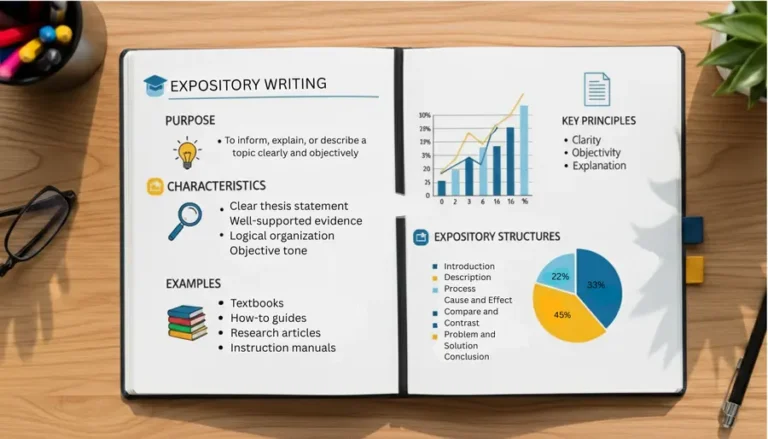
Expository writing explains, informs, and educates without persuading or entertaining as primary goals. This style dominates textbooks, how-to guides, encyclopedia entries, and news reporting. Clarity and accuracy matter more than stylistic flourishes.
The structure typically follows logical organization patterns like chronological order, cause and effect, comparison and contrast, or problem and solution. Expository writing uses clear topic sentences, supporting evidence, and smooth transitions between ideas. Technical writers and journalists rely on this style because it prioritizes information delivery over emotional engagement. Capturing expository content in simple text editors helps maintain focus on content accuracy rather than presentation polish during drafting phases.
Why Persuasive Writing Requires Different Techniques
Persuasive writing aims to convince readers to adopt specific viewpoints or take particular actions. This style appears in opinion essays, marketing copy, political speeches, and editorial columns. Logic, emotion, and credibility combine to influence reader thinking.
Effective persuasive writing builds arguments through evidence, addresses counterarguments directly, and uses rhetorical devices strategically. Ethos establishes writer credibility. Pathos appeals to emotions. Logos relies on logical reasoning. The most powerful persuasive pieces balance all three elements rather than depending on one approach exclusively. Understanding your audience determines which persuasive techniques work best for specific situations.
How Stream of Consciousness Breaks Conventional Rules
Stream of consciousness writing mirrors the natural flow of human thought, including fragmented sentences, associations, and non-linear progression. This experimental style creates psychological depth and intimacy with character perspectives. Virginia Woolf and James Joyce pioneered this approach in literary fiction.
The technique works best for exploring internal character states, representing altered consciousness, or creating impressionistic effects. However, it demands careful control to remain comprehensible. Pure stream of consciousness becomes exhausting for readers in extended doses. Most writers blend this style with conventional narrative techniques to balance innovation with accessibility.
What Defines Journalistic Writing Style
Journalistic writing prioritizes objectivity, conciseness, and factual accuracy. The inverted pyramid structure places most important information first, with supporting details following in descending order of significance. This allows readers to grasp key points quickly.
News writing avoids flowery language, subjective opinions, and unnecessary adjectives. Active voice dominates. Sentences remain short and direct. Attribution for all claims not personally verified by the writer maintains credibility. While creative journalism and literary nonfiction blend journalistic rigor with narrative techniques, pure news writing maintains strict stylistic boundaries.
How Technical Writing Serves Specialized Audiences
Technical writing communicates complex information to specific audiences with precision and clarity. User manuals, API documentation, scientific papers, and engineering specifications all require this specialized style. The goal is comprehension and usability rather than entertainment.
Effective technical writing uses consistent terminology, clear hierarchical organization, and abundant examples. It anticipates user questions and provides step-by-step guidance for procedures. Visual aids like diagrams, tables, and flowcharts supplement text. The best technical writers understand their audience’s knowledge level and calibrate complexity accordingly. Overly simplified explanations insult expert readers. Excessive jargon alienates beginners.
When to Mix Multiple Writing Styles
Most professional writing blends multiple styles strategically. A feature article might combine narrative storytelling with expository information and persuasive arguments. A technical manual might include descriptive passages explaining product benefits alongside procedural instructions.
The key is understanding which style serves each specific purpose within your larger piece. Opening with narrative hooks engages readers emotionally. Transitioning to expository sections delivers necessary information. Concluding with persuasive elements motivates action. Rigid adherence to single styles often produces less effective communication than thoughtful style mixing.
Common Questions About Creative Writing Styles
Choosing the Right Style for Your Purpose
Understanding creative writing styles transforms you from someone who writes into someone who writes strategically. Each style serves specific purposes and creates distinct reader experiences. The most effective writers choose styles based on what they want to accomplish rather than defaulting to familiar approaches.
Start by identifying your primary objective for each piece. Then select the style that best serves that goal. Experiment with combinations to discover what works for your content and audience. Practice using accessible tools that remove technical barriers and let you focus on developing your craft.
Which writing style have you avoided that might actually serve your next project better than your usual approach?